HE · EN

case study · Logistic-WebApp

Logistics System

An end-to-end logistics operations platform - orders, warehouse, fleet, routes, pricing and billing. One unified platform instead of six separate systems. In production.

  • 7 integrated modules
  • 6 micro-services
  • In production

What it solves

Problem & Solution

Four pain points that follow every logistics company - and the architectural decisions that address them.

Before

Fragmented systems

Warehouse, shipping, billing - each in a different tool. Brittle integrations, unsynchronized data.

After

One unified platform

All modules on the same database, the same permission model, the same interface. From intake to delivery - a single flow.

Before

Every change = a dev project

New field in a form, new report, new module - weeks of development.

After

Configuration-driven

163 JSON schemas define 45 entities. Adding a new entity is a config file, not server code.

Before

No customer visibility

Customers call for updates, no self-service access to their inventory or documents.

After

Built-in customer portal

Same platform, automatic data isolation. Customers see only their own data, down to the field level.

Before

Manual billing in spreadsheets

Pricing, surcharges, driver scoring, monthly billing - hours of manual work, accumulated errors.

After

Automated engines

Flexible pricing per customer/zone/distance, automatic surcharges, monthly billing across multiple service categories.

Scope

7 modules, one platform

Same database, same permission model, same interface. Every module lives in the context of the others - from warehouse intake to monthly billing, with no integration layers.

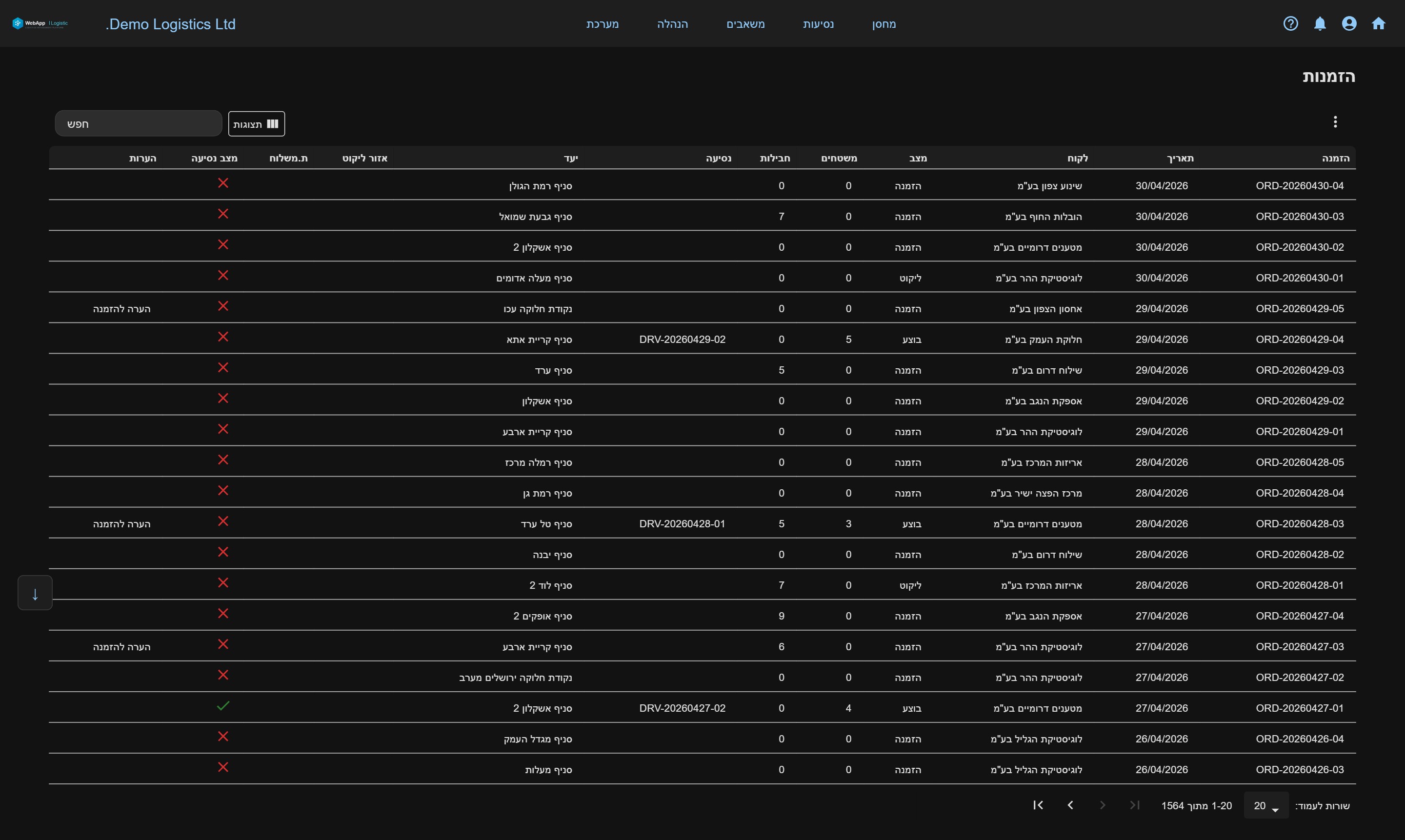
Order management screen with statuses and item details

Orders & Picking

Full lifecycle: creation, warehouse picking, QR pallet scanning, controlled status transitions through to signed delivery.

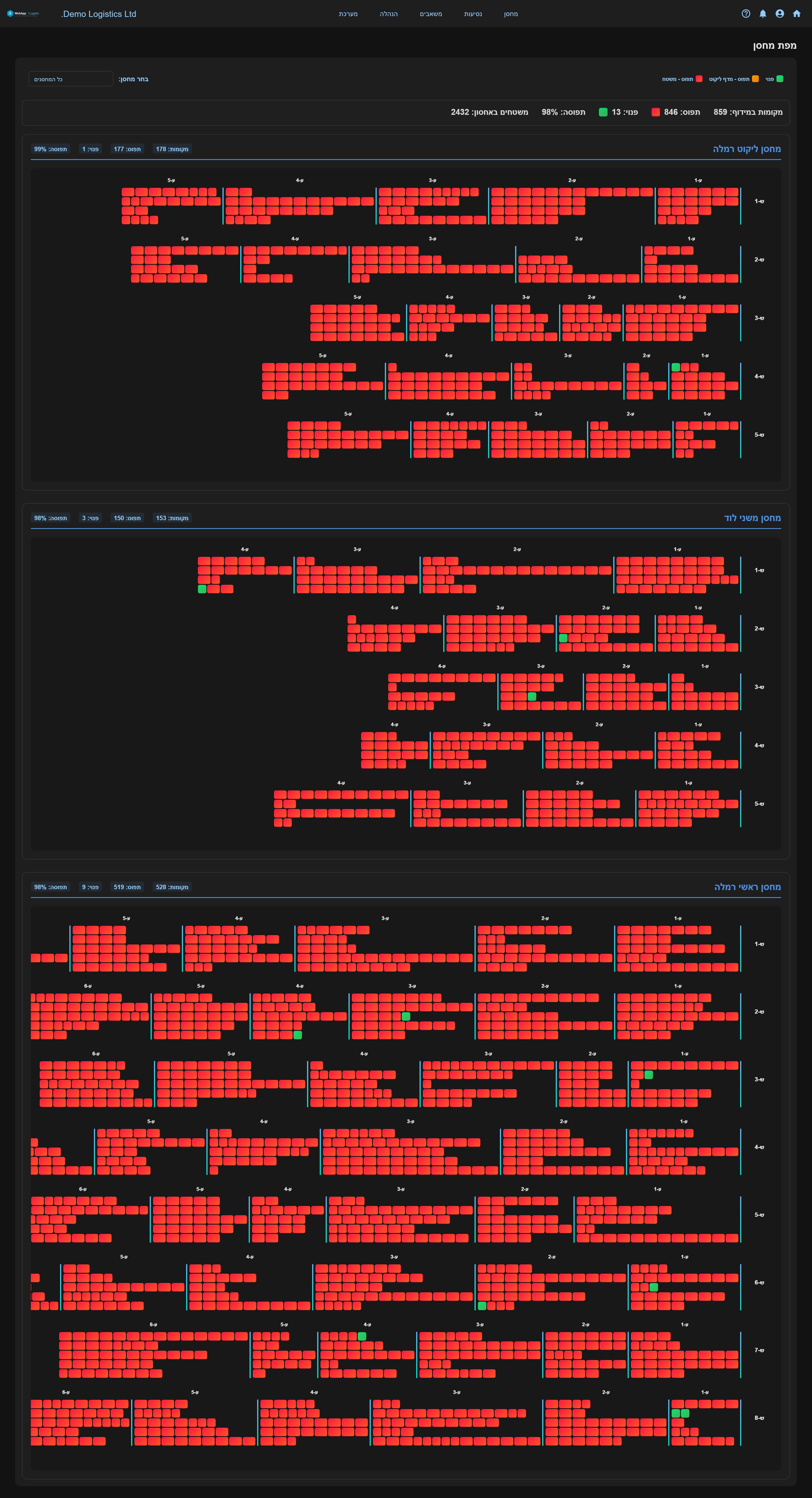
Visual warehouse map with pallets and occupancy

Warehouse & Inventory

Automatic intake, QR pallets, visual storage map, inventory tracking across 8 dimensions (stored/picking/ordered/picked/in-transit/available).

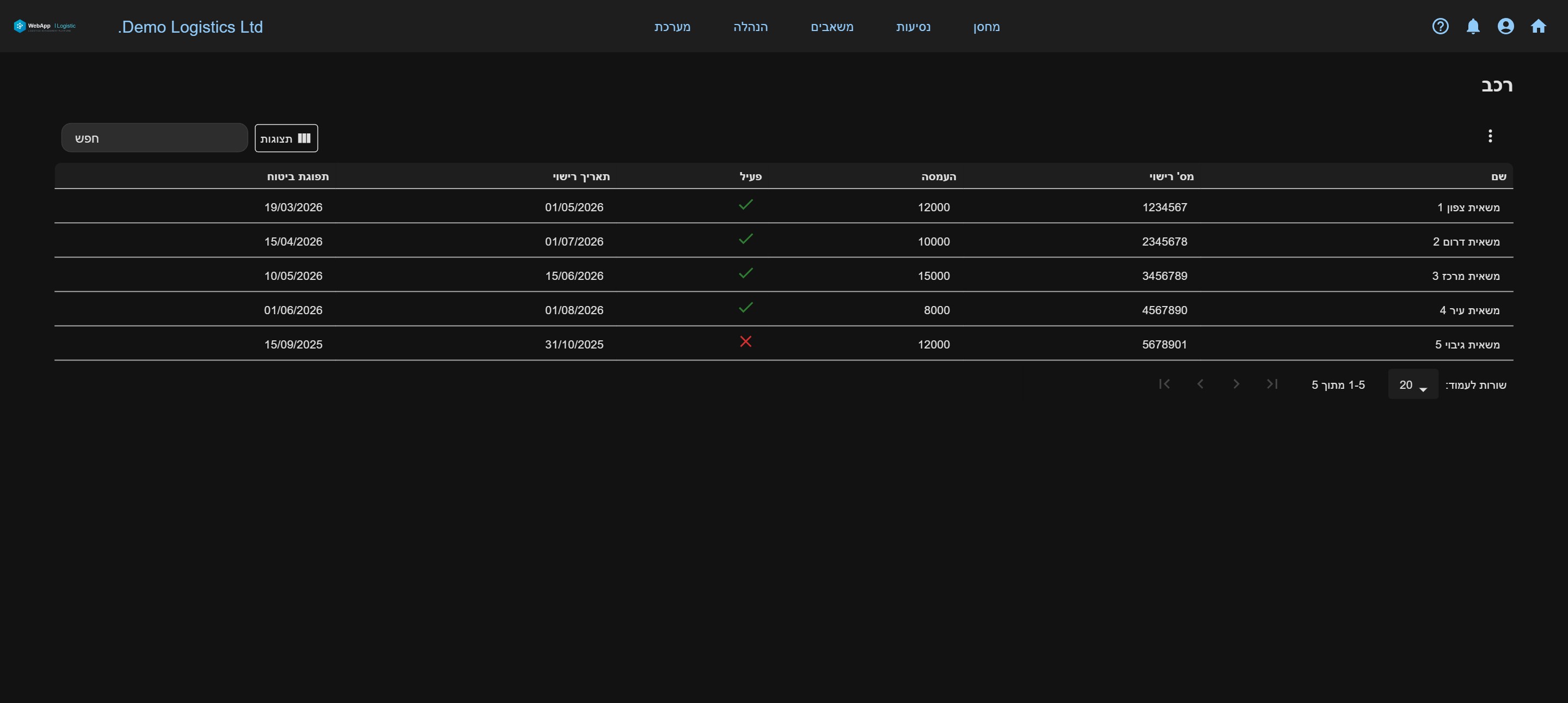
Vehicle management and documents screen

Fleet & Vehicles

Vehicle registration, document expiry alerts (insurance/license/inspection), maintenance log, and performance-based driver scoring.

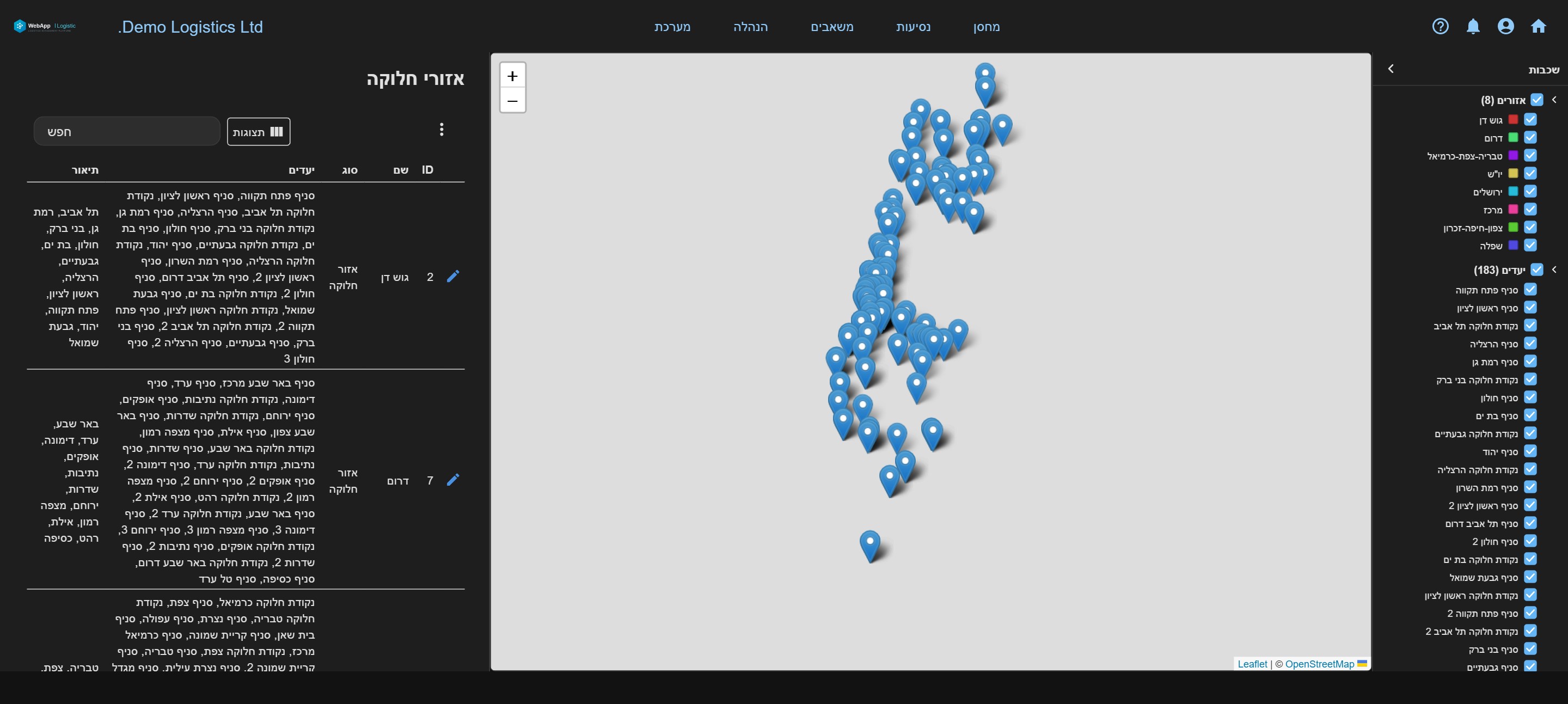
Interactive distribution zone map with polygons

Routes & Deliveries

Multi-stop route optimization, weight-aware routing, digital signatures, live tracking. Interactive distribution zone management.

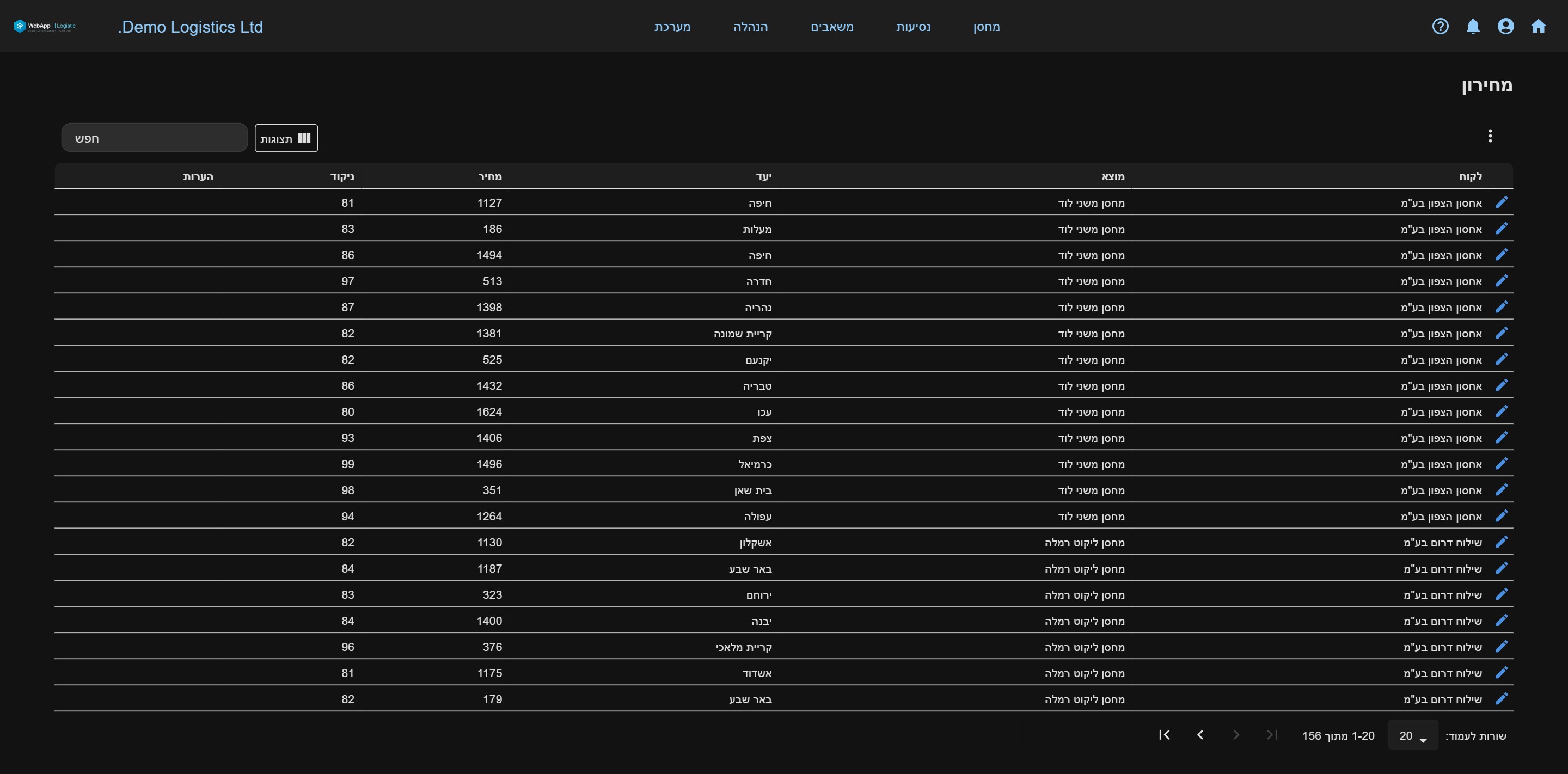
Price list with customer-specific tariffs

Pricing & Billing

Multiple pricing models, per-customer/truck tariffs, automatic surcharges, monthly billing across multiple service categories.

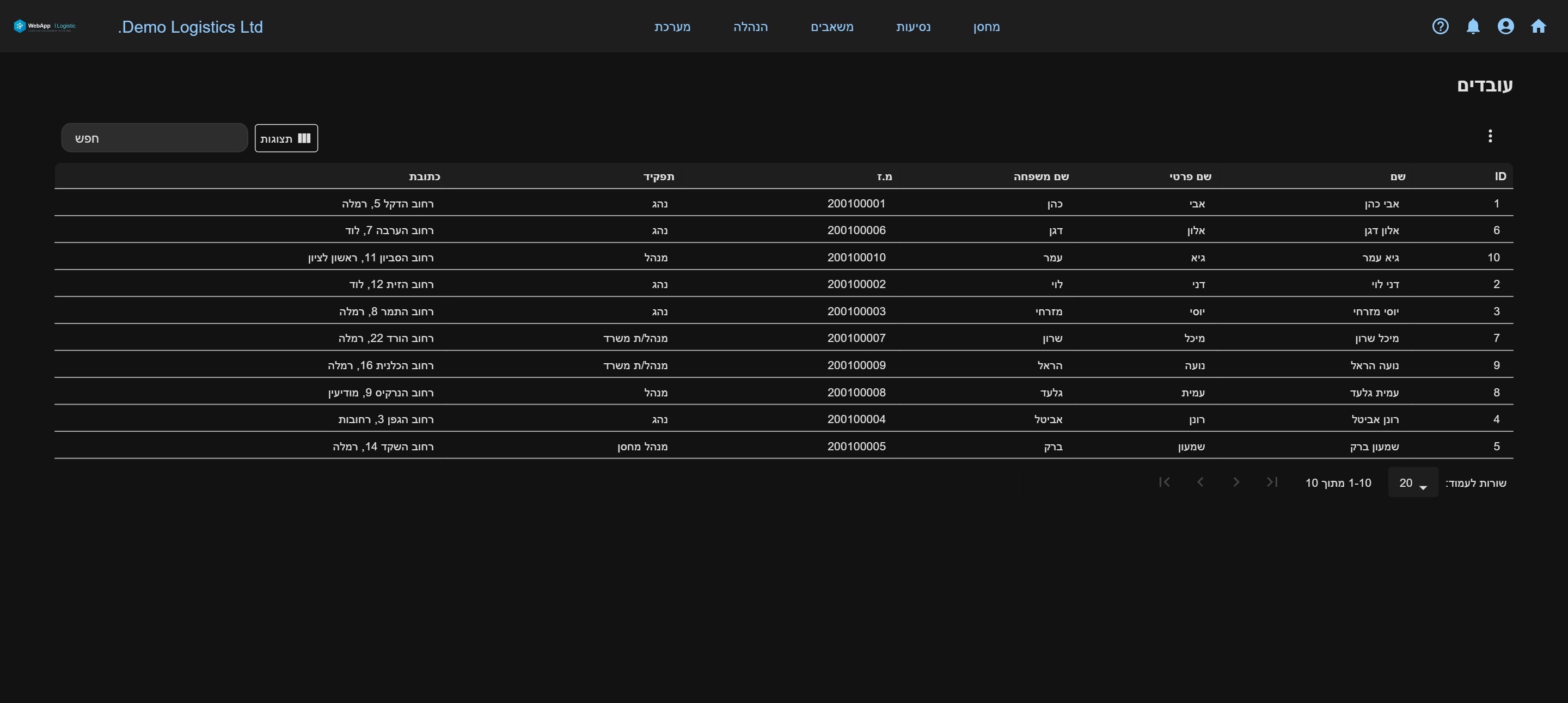
Employee management and attendance screen

HR

Attendance, performance targets, automatic bonuses, employee documents. Automated monthly attendance reports.

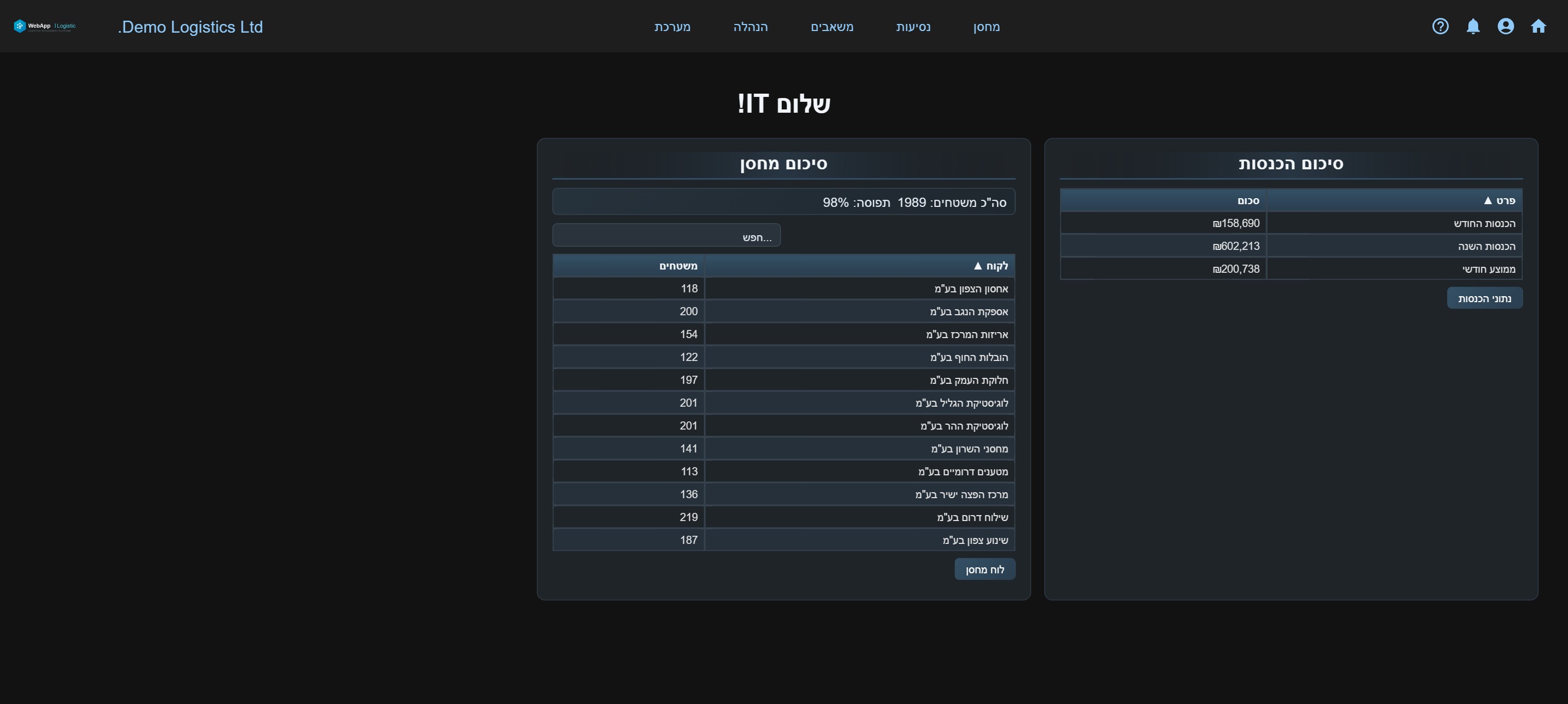
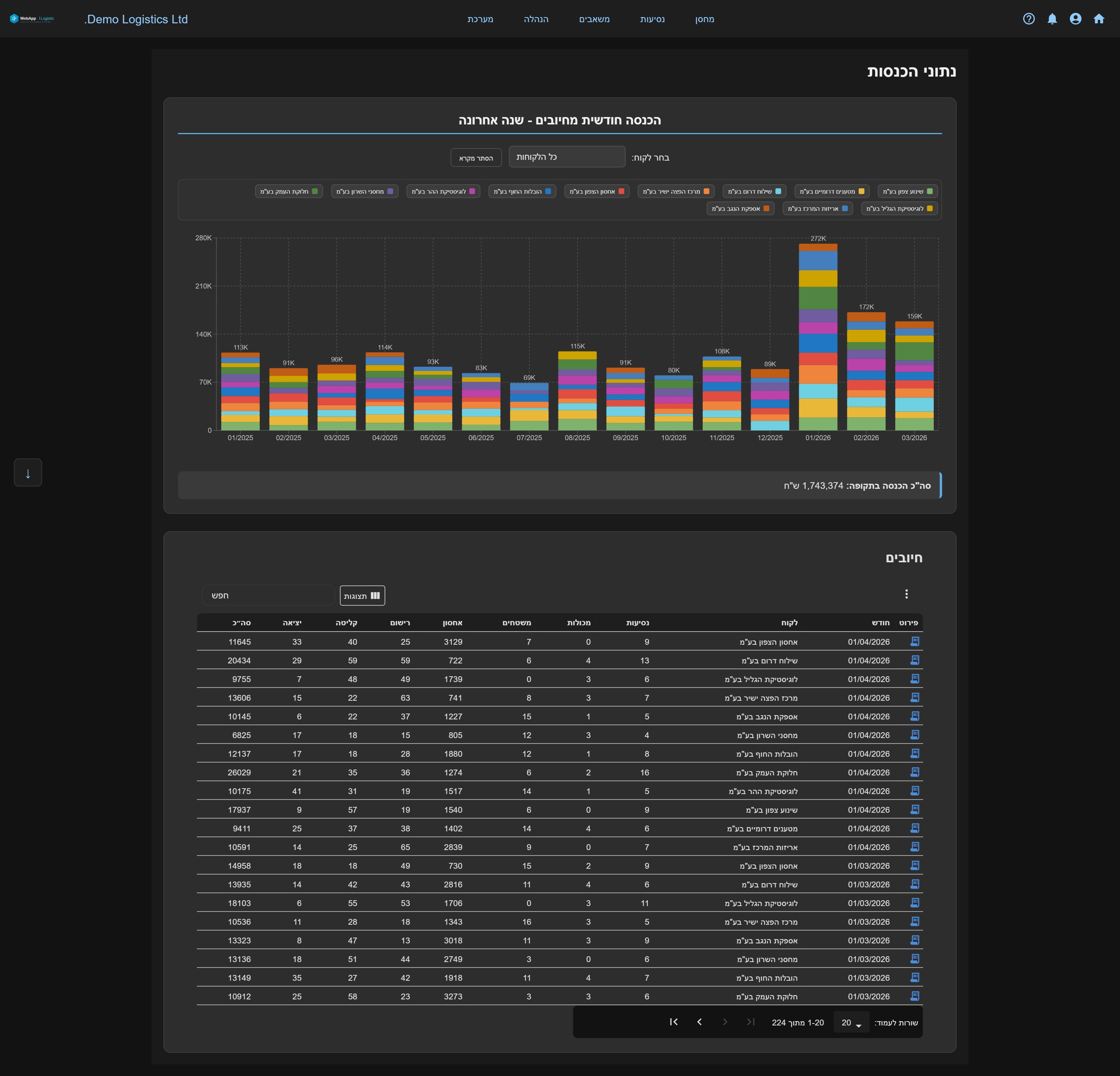
Revenue dashboard and analytics

Reports & Revenue

Role-specific dashboards, revenue analytics, CSV export. Automated PDF reports with digital signatures.

What sets it apart

Three distinct advantages

New

AI document processing agent

Maintenance documents, vehicle licenses and insurance are automatically parsed - dates, prices, types - with confidence scores and source citations. Less typing, fewer errors.

Built-in customer portal, not a bolt-on

Same system, same DB, automatic data isolation. The customer sees only their own data - at the field level. No need to build a separate portal or maintain two codebases.

Configuration-driven, not code

New entity, new field, new report - a JSON file. Changes that take weeks in other systems happen in hours. Less development, less technical debt.

Proof of capability

From 0 to deployment. In under a year. One person.

A system in production. Frontend in React/TypeScript. Backend in Node.js. Five internal services in Rust. An AI document-processing agent. External integrations. Cloud deployment. Every item - from decision to deploy - at the same workstation. No queues, no coordination, no waiting for someone else's answer.

Need a custom system? A different project?

A new system to build, an existing one to improve, or just an idea that needs to be translated into architecture - let's talk.

Let's talk